At A Glance
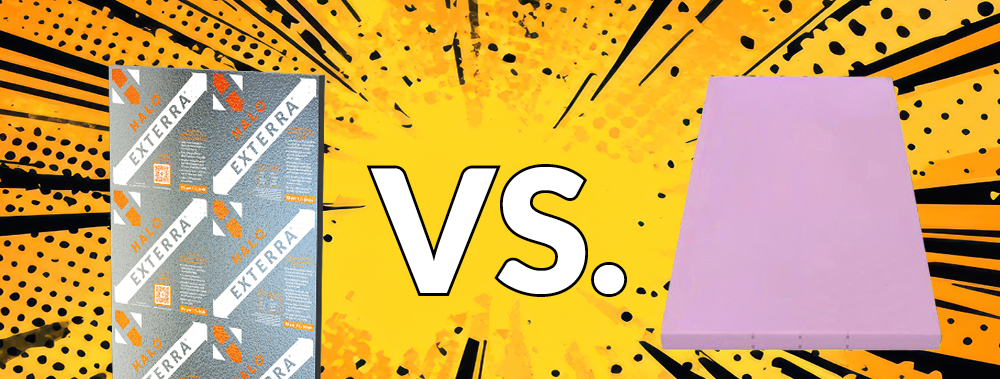
GPS insulation can be a more cost-effective alternative to XPS while delivering comparable or better performance.
GPS maintains long-term R-value stability, helping ensure consistent energy performance over the life of the building.
EPD comparisons often show lower environmental impact for GPS versus XPS, supporting sustainability goals.
Higher vapor permeance can improve moisture drying potential, supporting long-term durability of wood-frame assemblies.
Overall, GPS is a smart upgrade for light commercial projects focused on performance, value, and responsible material choices.
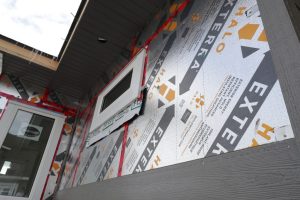
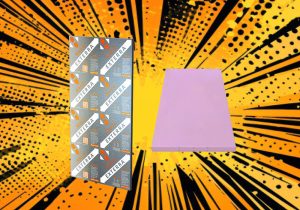
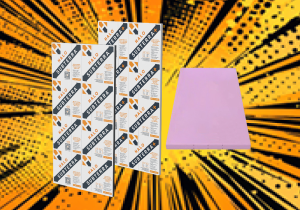
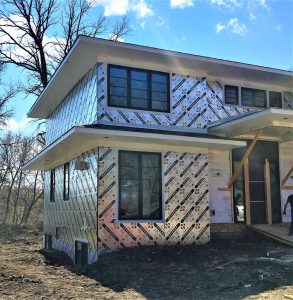
When designing or renovating a light commercial wood-frame building, insulation choice impacts not only energy performance—but also cost, longevity, and environmental responsibility. Two common choices in this space are Graphite Polystyrene (GPS) and Extruded Polystyrene (XPS). Both are high-performing rigid foam insulations, but GPS brings several advantages that make it a smart, forward-thinking option for builders and owners alike.
For the Builder: A Cost-Effective Advantage
Let’s start with the bottom line.
GPS should cost less than an equivalent XPS product while delivering comparable—or better—performance. That means builders can achieve high R-values and consistent thermal protection without pushing project budgets higher.
In many projects, GPS offers a balance between affordability and technical performance that’s hard to beat, especially as material costs fluctuate across regions and product types.
For the Building Owner: Environmental Responsibility and Durability
Modern building owners are looking beyond upfront costs—they want materials that perform well and align with sustainability goals.
Environmentally Responsible Choice
When comparing GPS to XPS based on Environmental Product Declarations (EPDs), GPS consistently shows a lower environmental impact. It’s a smarter choice for projects targeting lower embodied carbon or green building certifications.
Thermal Resistance That Lasts
Unlike some XPS products, GPS doesn’t lose thermal resistance over time. It maintains its stated R-value, giving owners peace of mind that their insulation is performing just as effectively years down the road.
Built-In Durability
Depending on which XPS product you compare to, GPS may also offer higher vapor permeance. That’s a big deal for wall assemblies—higher permeance allows moisture to escape outward, helping prevent trapped condensation and improving the long-term durability of the building envelope.
The Bigger Picture: Performance That Pays Off
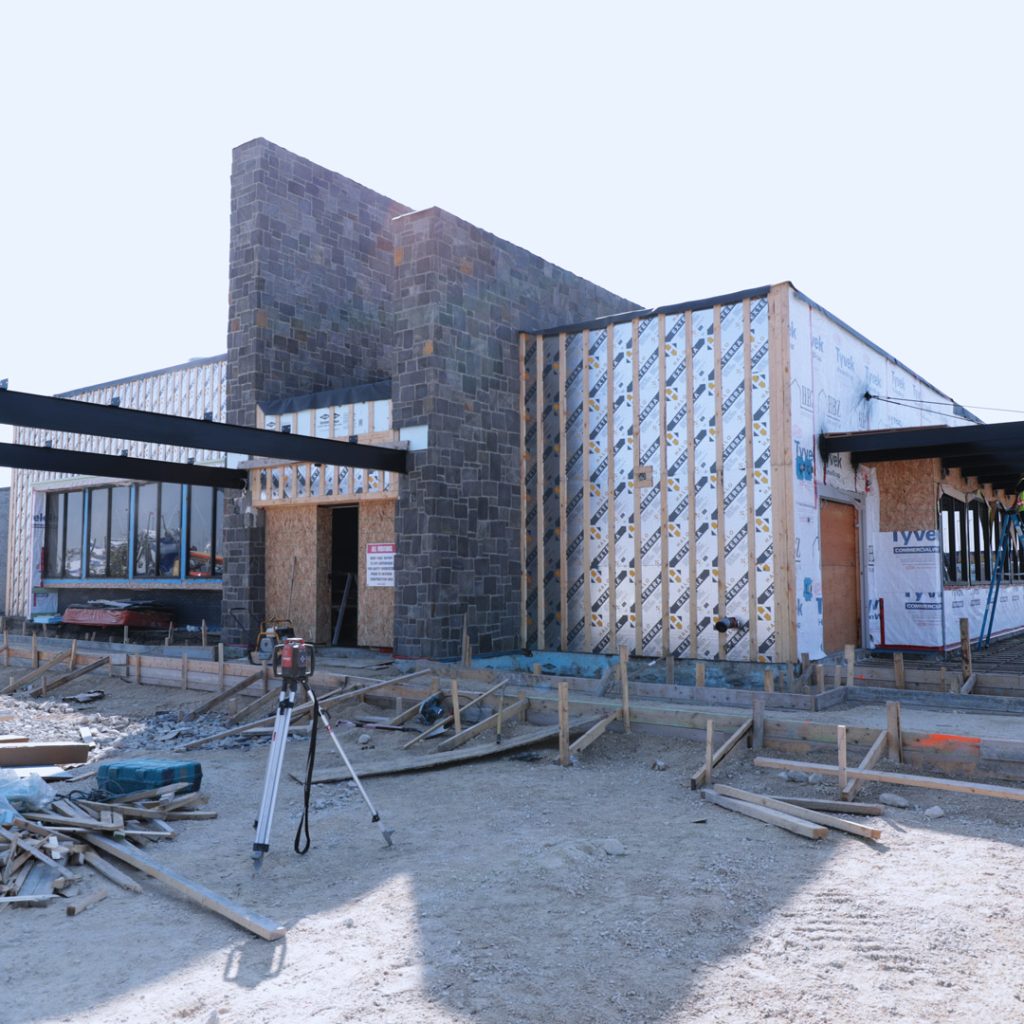
Think of GPS insulation as the “smart upgrade” for modern light commercial builds. It checks all the boxes:
- Competitive cost
- Long-term thermal stability
- Lower environmental footprint
- Moisture management benefits
These advantages make it ideal for builders who want efficient installs and for owners who want durable, future-ready buildings.

Don't miss a thing!
Subscribe for exclusive content, insider industry news and limited edition webcasts.
Wrapping Up
When comparing insulation options for light commercial wood-frame projects, GPS stands out as the high-performance, cost-effective, and environmentally responsible choice. It’s a proven path to energy-efficient, durable buildings without compromise.
Ready to explore how GPS-powered Halo® Exterra can elevate your next project?