
At A Glance
- Subterra and Subterra Plus are GPS under-slab insulation solutions, with Plus featuring a tougher laminate and radon barrier performance.
- GPS maintains thermal resistance over time, while XPS loses R-value.
- Builders save money with lower costs and less site breakage.
- Compressive strength of up to 30 psi makes GPS right-sized for most projects.
- Environmentally responsible: GPS insulation has a lower embodied carbon footprint than XPS.
- Owners gain long-term efficiency and comfort, with stable insulation performance.
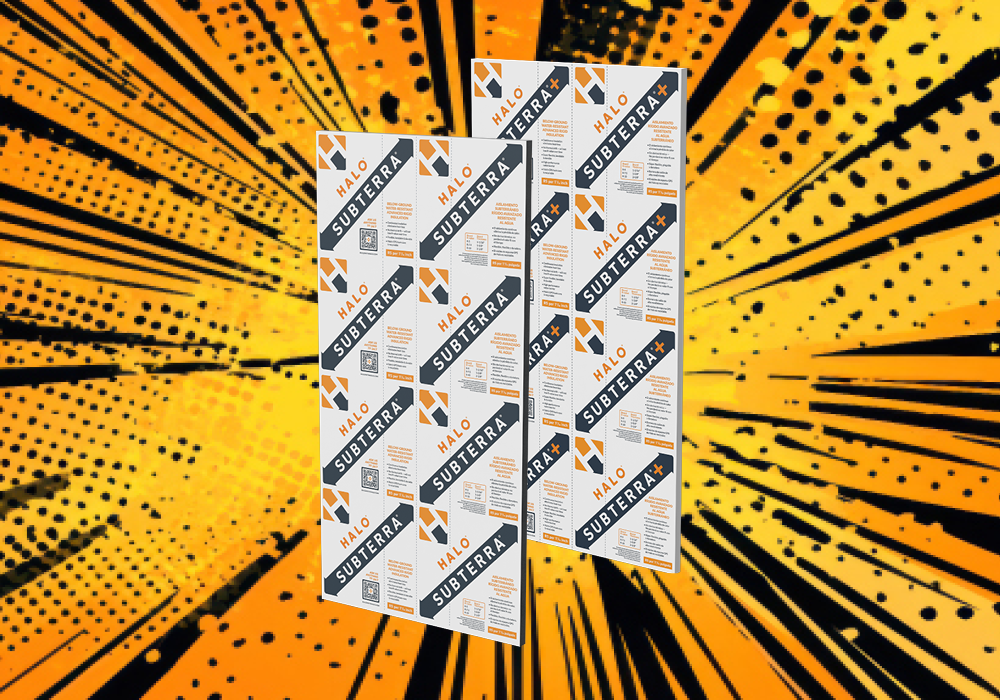
When choosing under-slab insulation, two of Halo’s GPS-based products — Subterra and Subterra Plus — are designed to deliver superior performance in demanding applications. But what exactly are they, and how do they differ?
What is Subterra?
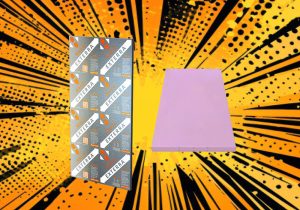
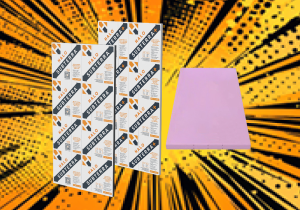
Subterra is Halo’s standard GPS insulation board for below-grade and under-slab use. It delivers reliable compressive strength, stable long-term thermal resistance, and cost-effective performance across a wide range of building projects.
What is Subterra Plus?
Subterra Plus builds on Subterra with an extra-durable laminate facing, making it tougher on the jobsite and ideal for harsher conditions. It has also been tested and proven as a radon barrier, adding another layer of protection for occupants.
Where Are They Used?
Both Subterra and Subterra Plus are designed for:
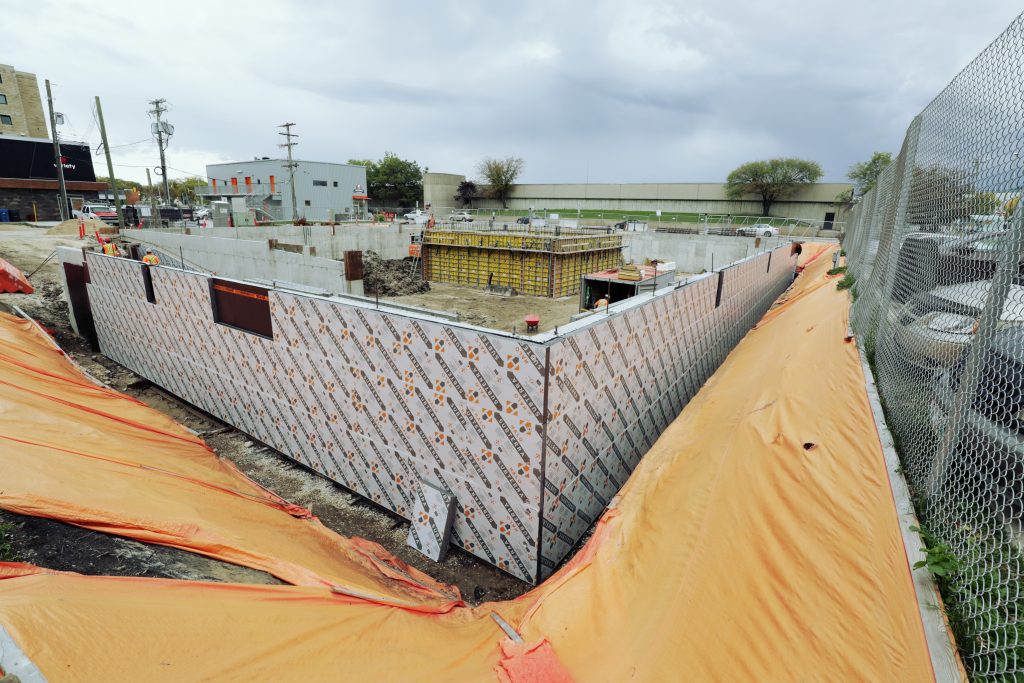
- Under-slab insulation in residential, commercial, and industrial projects
- Below-grade applications such as foundation walls and basements
- Any project requiring durable, high-performance insulation with reliable long-term R-values
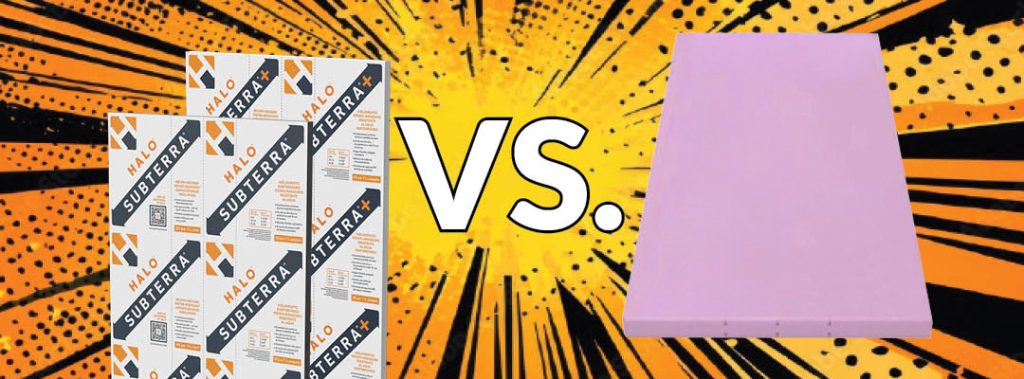
Why choose Subterra or Subterra Plus over XPS?
FOR BUILDERS:
Performance That Works in the Field
1. Thermal Resistance That Lasts
GPS insulation keeps its thermal resistance over time, while XPS loses R-value as blowing agents escape. That matters because building codes require minimum R-values — and if your energy model assumes R-5 but the XPS delivers closer to R-4.5, compliance problems and higher energy use can follow.
2. Greater Flexibility, Less Breakage
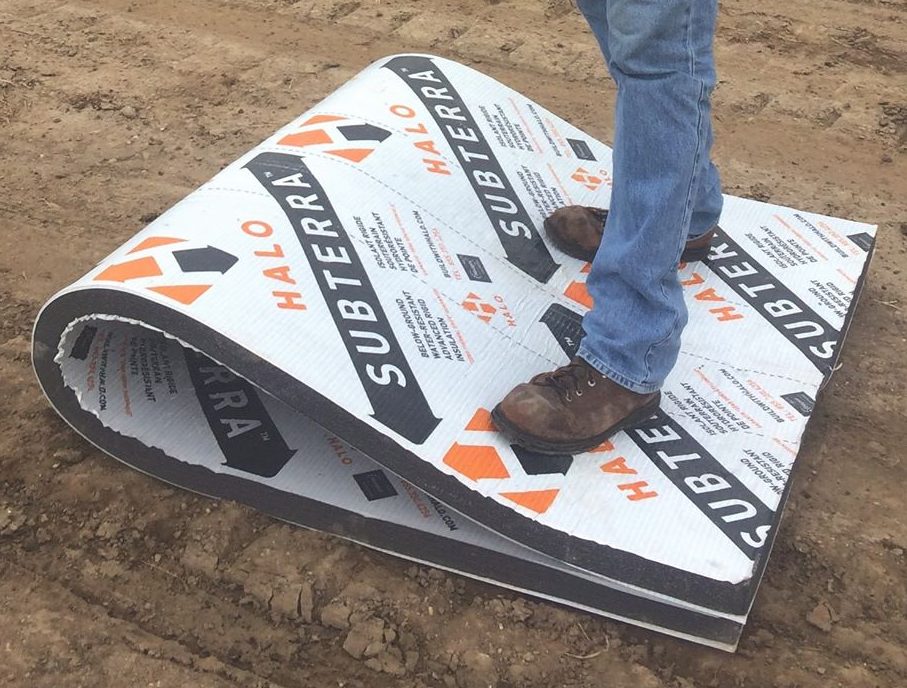
Subterra Plus is more flexible and durable than XPS, meaning less breakage, reduced waste, and fewer repair headaches on the jobsite.
3. Lower Installed Cost
Halo GPS insulation consistently costs less than XPS, helping builders stay competitive while still meeting performance requirements.
4. Right-Sized Compressive Strength
Subterra Plus is available up to 30 psi compressive strength — more than enough for many building applications.
FOR BUILDING OWNERS:
Long-Term Value and Responsibility
1. Environmentally Responsible Choice
EPD comparisons show that GPS insulation has a lower embodied carbon footprint than XPS, helping owners reduce their project’s environmental impact.
2. Thermal Resistance That Doesn’t Fade
Because GPS holds its R-value over time, owners benefit from steady energy efficiency and indoor comfort throughout the life of the building.
Real-World Wins with Subterra Plus
Builders who have substituted Halo GPS insulation for XPS in commercial projects have reported:
- Lower bid costs
- Improved profit margins
- Reliable performance that wins approval on specs
Need a substitution?
Download your Subterra & Subterra Plus Substitution Request today.
Wrapping Up: Why GPS Wins
When comparing GPS insulation vs XPS, the choice is clear. Subterra and Subterra Plus not only outperform XPS in cost, durability, and environmental responsibility — they also deliver long-term thermal resistance that doesn’t fade.
For builders: That means lower costs, less site waste, and fewer compliance headaches.
For owners: It’s about efficiency, comfort, and sustainability that lasts.
👉 Learn more about Subterra products here