At A Glance
- A Wisconsin cabin upgraded its aging R-10 roof assembly with Chrome GPS insulation to dramatically improve thermal performance.
- Custom-sized Chrome GPS panels eliminated thermal bridging while simplifying installation and reducing material waste.
- Proper insulation thickness was engineered to control condensation and maintain the roof assembly’s dew point within the insulation layer.
- AI-generated roof measurements enabled precise CNC-cut panels, speeding installation and minimizing labor on a remote jobsite.
- The completed roof assembly delivers more than a 300% increase in thermal resistance, improving year-round comfort and energy efficiency.
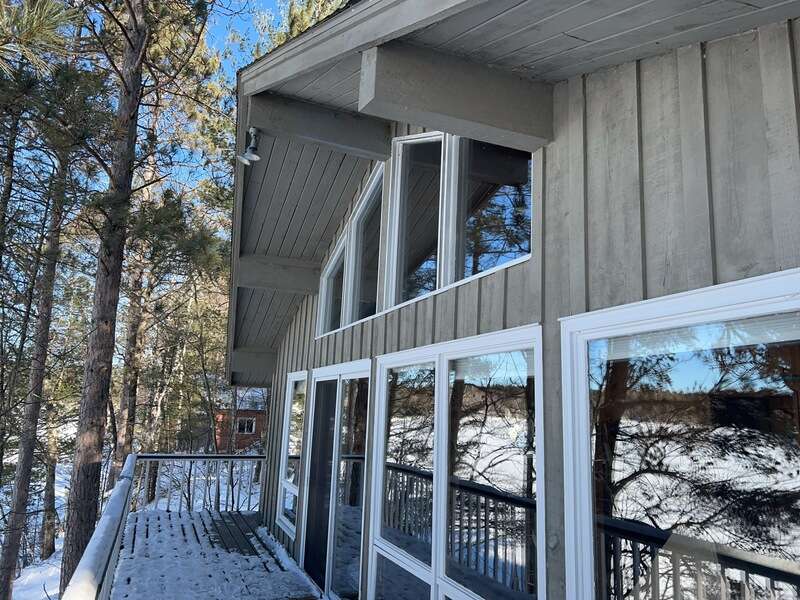
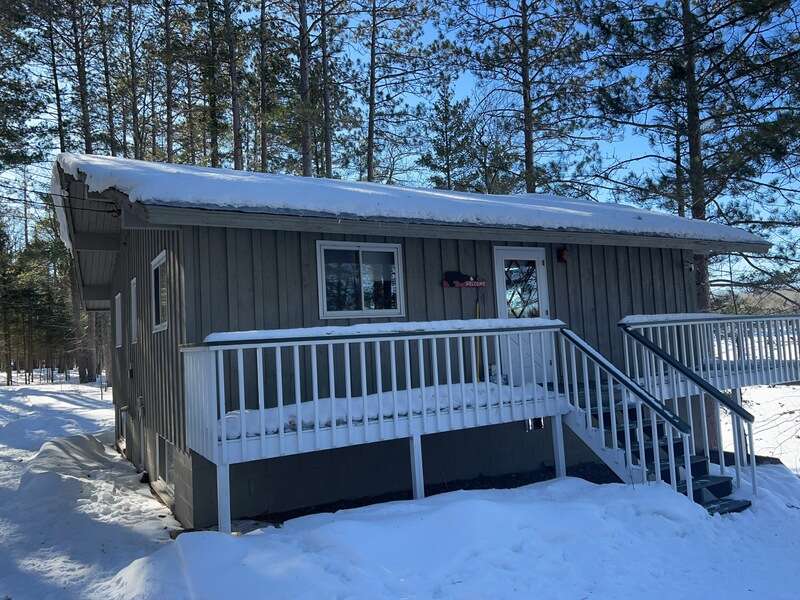
Tucked into the woods near Cable, Wisconsin, a cabin that had been fighting a losing battle against winter finally got the upgrade it needed. The original roof assembly relied on just two inches of aging XPS foam, good for only about R-10, well short of what a Climate Zone 6 structure needs to perform through a Northwoods winter. Beyond the low R-value, the assembly was riddled with thermal bridging, and decades of service had taken their toll on the foam’s insulating ability. For cabin owner Kris Gautsch, the goal was straightforward: eliminate the thermal bridging, boost overall performance, and finally get a roof that could keep pace with the region’s heating demands.
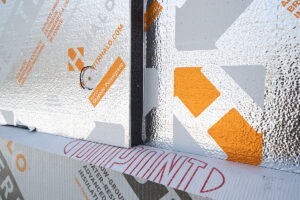
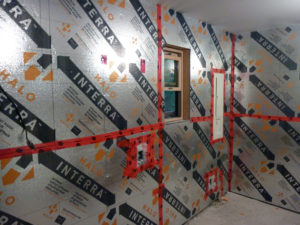
Gautsch’s search for a solution started the way many do, by looking at what was available at the big box retailers. That changed after a chance encounter at a local home show in Onalaska, WI, where he came across Halo and Chrome GPS insulation. Two things stood out immediately: the high thermal resistance per inch and the ability to get the product custom sized for the project. Halo also brought the vapor management performance the roof assembly required, an important detail for any insulation retrofit installed over existing roof materials.
That vapor and moisture consideration turned out to be one of the most critical parts of the product selection process. Because the new insulation layer was going directly onto the roof, the thickness had to be specified carefully to keep condensation from forming between the new and existing materials. The Chrome GPS layer needed enough standalone thermal resistance to keep the assembly’s dew point safely within the insulation itself, a non-negotiable detail in Climate Zone 6. Chrome GPS also offered a practical edge that no competing product could match: the ability to be custom manufactured in the exact sizes the project called for, delivered as single units rather than layers that installers would need to stack and glue together on site.
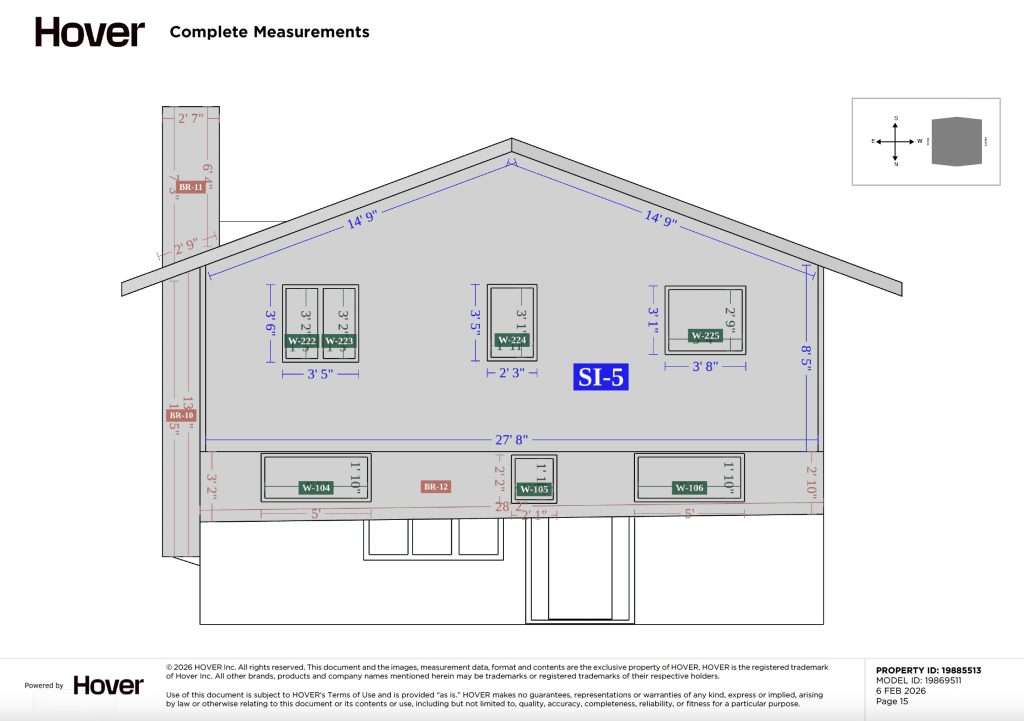
That custom sizing paid off well before installation even began. Material supplier Balduzzi Lumber Co. ordered a Hover report ahead of bidding the job, using AI-driven photo modeling to generate precise measurements, a 3D model of the structure, and accurate roof pitch calculations. Those exact dimensions meant the Chrome GPS panels could be pre-cut off site to 22.5-inch widths and 10-foot lengths, sized to fit perfectly between the new framing system installed over the existing roof deck.
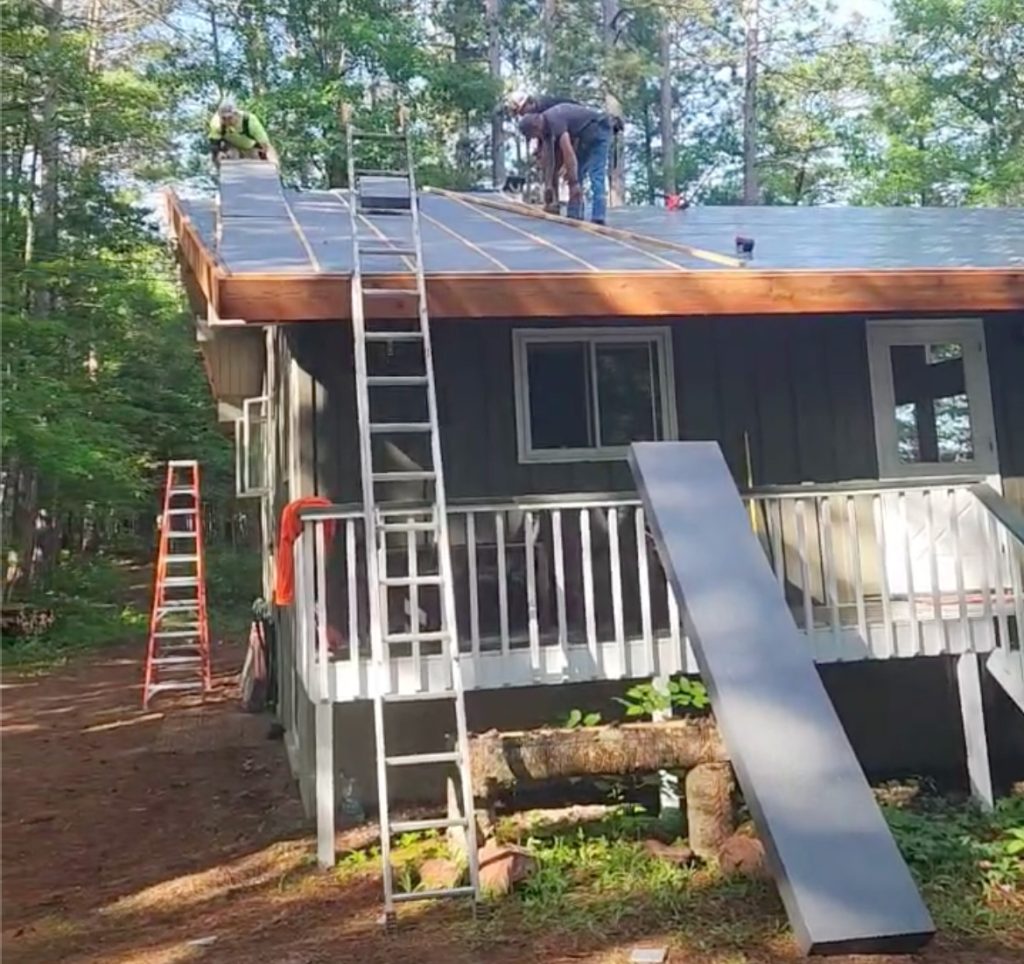
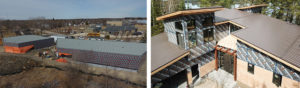
On site, that preparation showed. Installers simply worked their way across the roof, alternating a GPS panel, a 2×6, a panel, a 2×6, with only occasional end cuts needed. With the panels already CNC cut to precise measurements, there was no guesswork and no breakage on the job. The framing and insulation inserts were then covered with a 1 1/16-inch sheet to eliminate thermal bridging, followed by ½-inch OSB, a high-temp roof underlayment, and a standing seam metal roof to finish the assembly. Because the project sat in a remote location that required a crew to travel in just for the job, the speed of installation translated directly into meaningful labor savings. The precut panels also meant virtually no material waste on site, an added sustainability benefit that came built into the product itself.
The performance numbers tell the rest of the story. The new assembly increased thermal resistance by more than 300 percent over the original R-10 roof, and that gain is expected to carry through directly into heating and cooling performance for a cabin that has always been difficult to keep warm. The roof upgrade wasn’t the only improvement made to the building envelope either; new doors and windows were installed around the same time, compounding the expected energy savings.
For Gautsch, the project closed the loop on a problem he had been trying to solve for years. After seeing the assembly demonstrated at the La Crosse Area Builders Home Show, he knew he’d found the answer, and he says he wouldn’t hesitate to use the same Halo and Chrome GPS assembly again on a future project.