At A Glance
- Paragon Living targeted a 30% improvement over the 2020 NECB energy performance requirements.
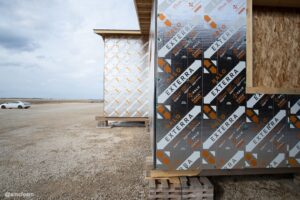
- Halo Exterra continuous insulation helped achieve energy efficiency and greenhouse gas reduction goals.
- GPS insulation delivered higher R-value per inch, allowing a thinner, more efficient wall assembly.
- The installation team praised Exterra for its durability and ease of installation compared to other rigid insulation products.
- Successful project results have led Paragon Living to specify the same wall system on future developments.
Built to Perform: How Halo Exterra Helped Paragon Living Exceed Manitoba’s Energy Code
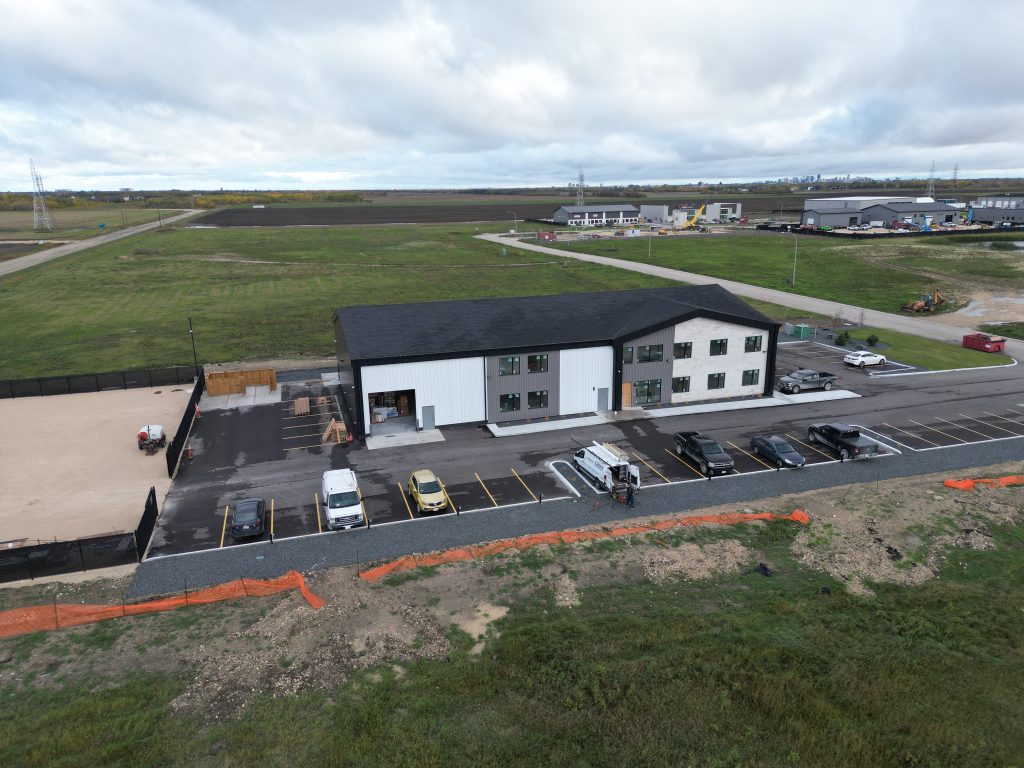
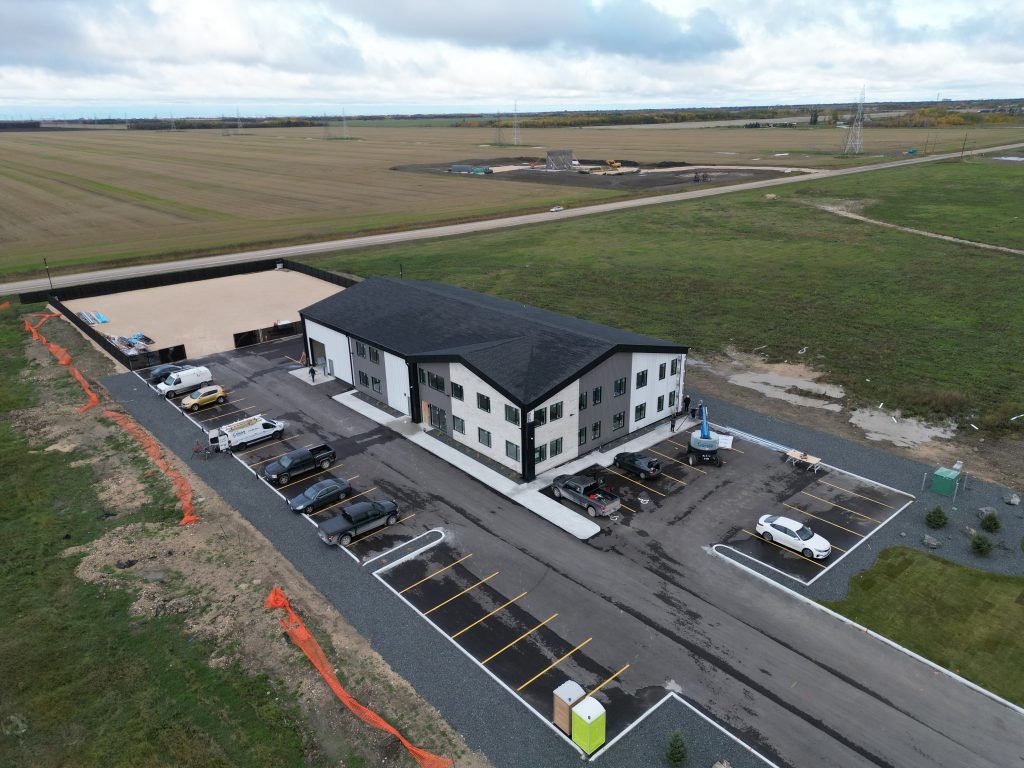
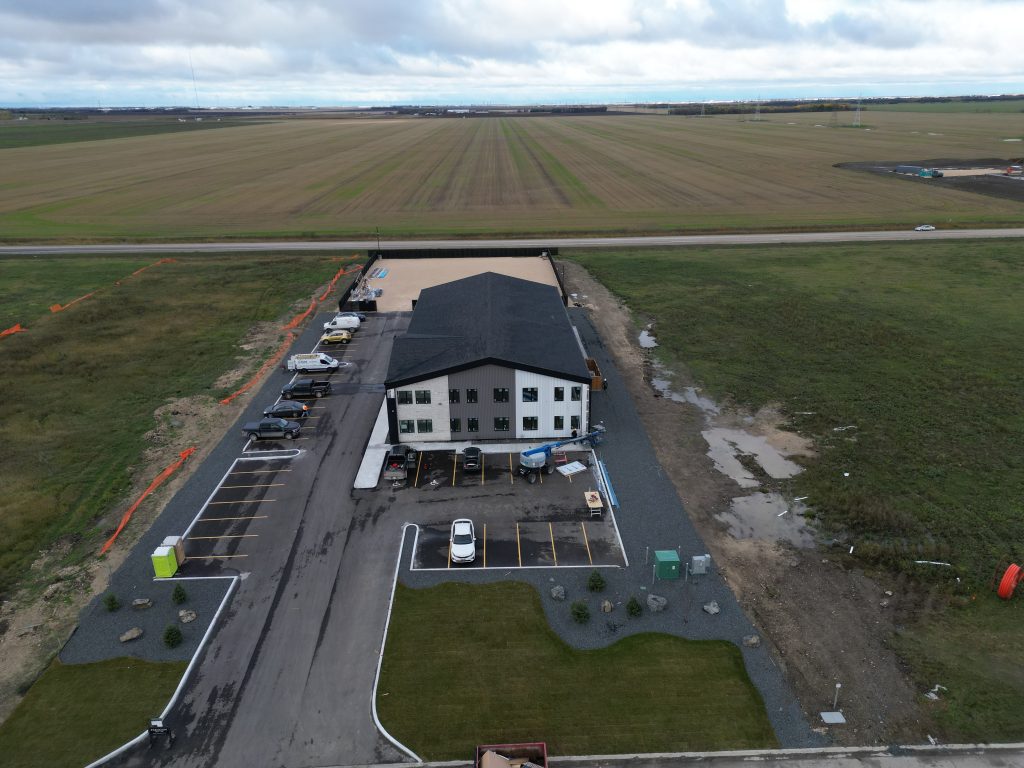
When Paragon Living set out to expand their office space at 45 South Landing Drive in Oak Bluff, Manitoba, the goal was clear: design a building that didn’t just meet current energy standards — it surpassed them. The team targeted a 30% improvement over the 2020 National Energy Code for Buildings (NECB), setting a high bar for both energy efficiency and greenhouse gas reduction. To hit that target, they needed an insulation system that could deliver real, measurable performance.
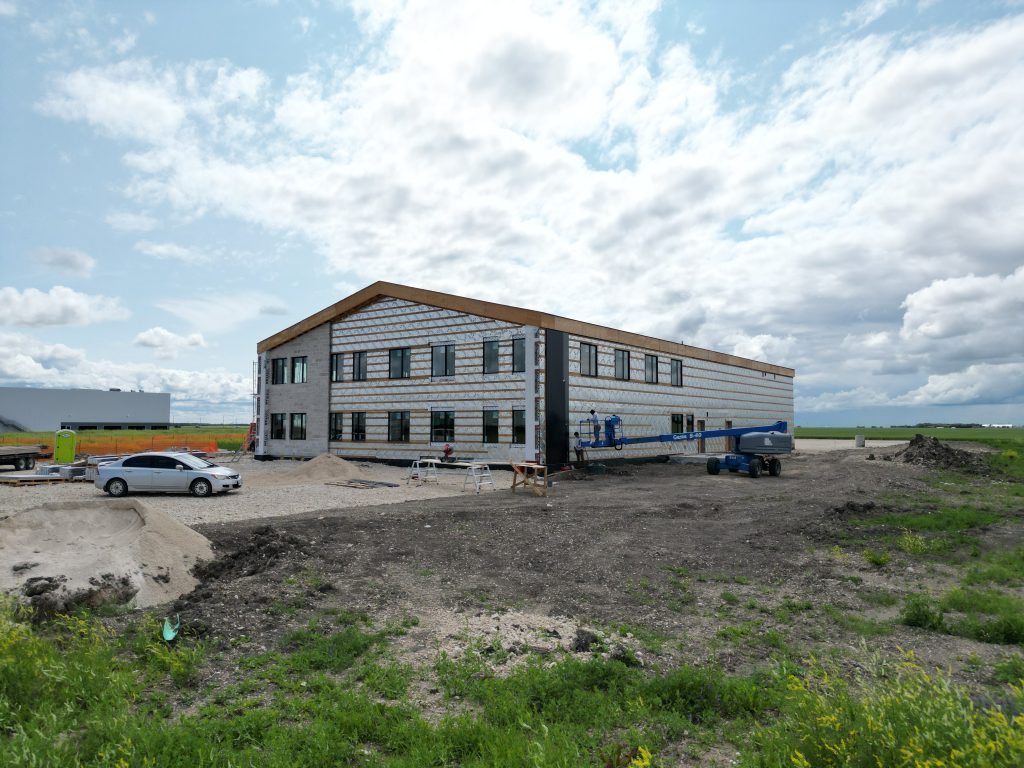
The specified wall assembly called for 2×6 framing with R-20 fiberglass batt insulation, paired with 1½” of Halo Exterra continuous exterior insulation. Halo had already earned the team’s confidence on previous projects, and its combination of thermal performance, heat reflection, and high-density construction made it the natural choice. As the team noted, Halo offered good value for thickness versus performance — a critical consideration when optimizing wall assemblies without sacrificing interior space.
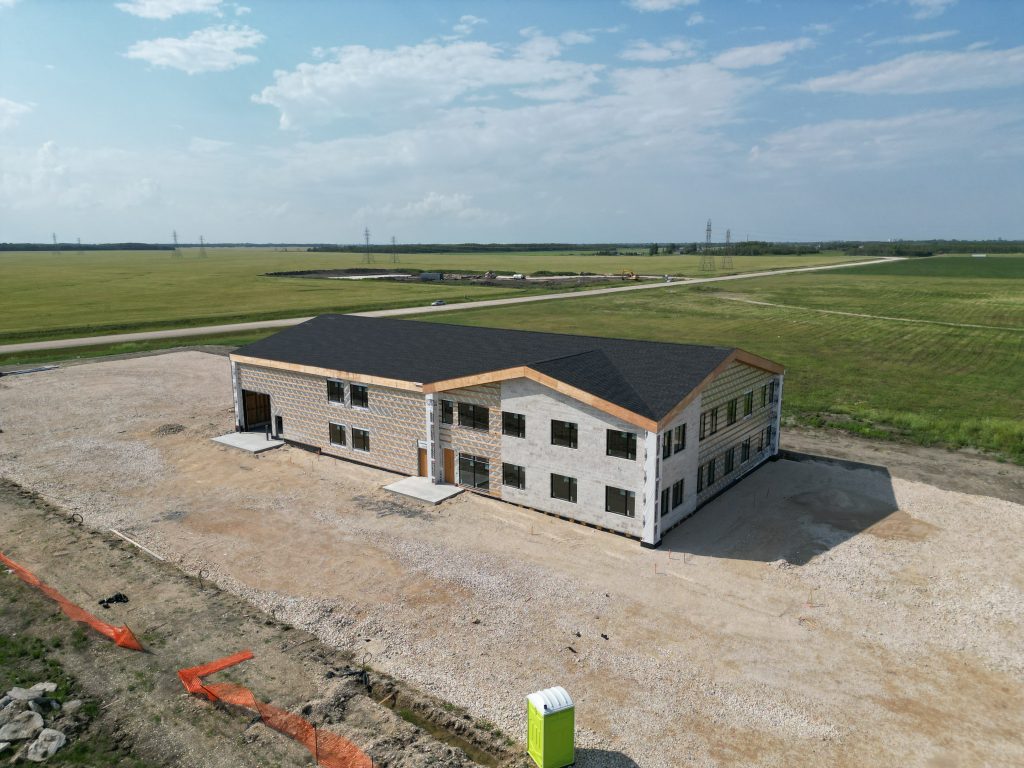
One of the key technical advantages that drove the selection was GPS (graphite polystyrene) insulation’s superior R-value per inch compared to traditional XPS products. This allowed the team to build more efficient wall assemblies in less depth — an important factor in commercial construction where every inch counts. On the job site, Exterra proved just as impressive in practice as it did on paper. “Easy to install, not brittle like some other rigid insulation products,” the team noted — a quality that reduced waste and kept installation moving efficiently.
While moisture management wasn’t the primary driver on this project, the team noted that the added facing layer on Exterra creates valuable separation between exterior elements and the interior vapor barrier — an added benefit that contributes to long-term building resilience. Fire and code compliance, though not a major factor here, have been decisive advantages on other Halo projects for the same team. The overarching goal was a product with proven longevity: durable, energy-efficient, and built to reduce monthly operating costs for the building owner over the long haul.
Wrapping It Up
The results speak for themselves. Energy and greenhouse gas targets were met, the assembly performed as designed, and the team is already planning to use the same wall system again on future projects. As Paragon Living’s team summed it up: the product works, and they’re sticking with it. With drone footage, installation photography, and video content planned throughout construction, this project is poised to serve as a strong showcase for what Halo Exterra can do in a real-world commercial application.